Online casino games have transformed the way people experience gambling, shifting an activity once confined to physical venues into something accessible from a smartphone or laptop at any hour. What began in the mid-1990s as a handful of rudimentary websites offering simple slot machines has grown into a multibillion-dollar global industry. Improvements in internet speed, mobile technology, and secure payment systems have all played a part in this expansion. Today, players can choose from thousands of platforms offering everything from classic table games to elaborate video slots with cinematic graphics. The convenience factor cannot be overstated, since players no longer need to travel to a casino or adhere to its operating hours. This accessibility has also introduced online gambling to demographics that may never have set foot in a physical casino. As a result, the industry has had to adapt quickly to meet the expectations of a broader and more diverse audience.
Slot games remain the most popular category within online casinos, largely because of their simplicity and the sheer variety available to players. Unlike traditional fruit machines, modern online slots often feature intricate themes ranging from ancient mythology to popular movies and television shows. Many of these games incorporate bonus rounds, free spins, and progressive jackpots that can grow into life-changing sums of money. The random number generators that power these games ensure that outcomes are fair and unpredictable, which is a critical factor in maintaining player trust. Developers frequently release new titles to keep the offerings fresh, often collaborating with well-known entertainment brands to create licensed slot experiences. Because slots require no strategic skill, they appeal to casual players who simply want an entertaining way to pass the time. This low barrier to entry has made slots the financial backbone of most online casino platforms.
Table games such as blackjack, roulette, and baccarat provide a different kind of appeal, one rooted in strategy, tradition, and the social atmosphere of a real casino floor. Blackjack, in particular, attracts players who enjoy the mental challenge of card counting and optimal decision-making, even though most online versions use continuous shuffling to prevent such tactics. Roulette remains popular for its simplicity, offering multiple betting options that range from low-risk even-money bets to high-risk single-number wagers. Baccarat has seen a surge in popularity partly due to its association with high-stakes gambling culture and its portrayal in film and media. Many online casinos now offer multiple variants of these classic games, each with slightly different rules or side bets to keep the experience engaging. The relatively low house edge in games like blackjack also draws players who are looking for better odds than typical slot machines provide. These games represent a bridge between the traditional casino experience and the digital convenience of online play.
Live dealer games have emerged as one of the most significant innovations in the online casino space, combining the convenience of digital platforms with the authenticity of in-person gambling. Through high-definition video streaming, players can watch a real dealer shuffle cards, spin a roulette wheel, or deal from a shoe in real time. This format addresses a common criticism of online gambling, namely the perceived lack of trust in purely computer-generated outcomes. Live dealer studios are often built to replicate the aesthetic of luxury casinos, complete with professional dealers trained to interact with players through chat features. Popular live games include blackjack, roulette, baccarat, and increasingly, game-show-style formats that blend gambling with entertainment elements. The interactive nature of these games has proven especially appealing to players who miss the social aspect of traditional casinos. As streaming technology continues to improve, live dealer games are expected to become an even larger part of the online casino landscape.
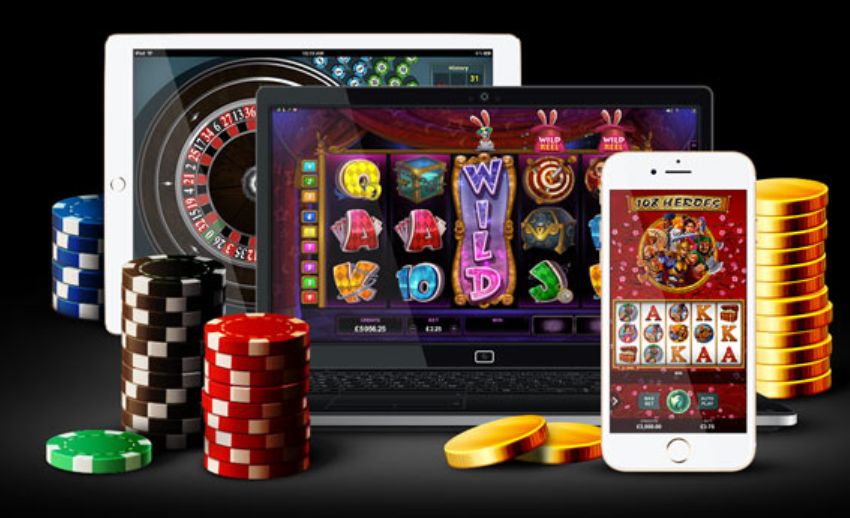
Mobile compatibility has become a defining feature of successful online casino platforms, reflecting broader trends in how people consume digital entertainment. Most major casino operators now offer dedicated mobile apps or fully optimized browser experiences that allow for seamless gameplay on smartphones and tablets. This shift has fundamentally changed player behavior, with many people now gambling in short bursts during commutes, breaks, or moments of downtime rather than in extended sessions at a desktop computer. Touchscreen interfaces have also allowed developers to create more intuitive and visually engaging game designs tailored specifically for smaller screens. Push notifications and mobile-exclusive promotions have become common tools for keeping players engaged and encouraged to return to a platform. Security measures such as biometric login and encrypted transactions have made mobile gambling safer and more convenient than ever before. This mobile-first approach has undoubtedly contributed to the industry’s rapid growth over the past decade. For more information please visit TFBO
Regulation and licensing play a crucial role in shaping the online casino industry, as governments around the world grapple with how to oversee an inherently borderless activity. Jurisdictions such as Malta, Gibraltar, and the United Kingdom have established themselves as hubs for licensed online gambling operators, offering frameworks that prioritize player protection and fair play. In the United States, regulation varies significantly by state, with some states embracing legalized online casino gambling while others maintain strict prohibitions. Licensed operators are typically required to implement responsible gambling tools, such as deposit limits, self-exclusion programs, and reality checks that remind players how long they have been gambling. Regulatory bodies also conduct regular audits of random number generators and payout percentages to ensure that games operate fairly. The presence of a valid license from a reputable authority is often seen as a key indicator of a trustworthy platform. As the industry continues to mature, it is likely that more comprehensive and standardized regulations will emerge across different regions.
Looking ahead, the future of online casino games appears poised for continued technological transformation, driven by innovations such as virtual reality, blockchain integration, and artificial intelligence. Virtual reality casinos aim to create fully immersive environments where players can walk through digital casino floors and interact with games in three-dimensional space. Blockchain technology and cryptocurrency payments are increasingly being adopted to offer greater transparency, faster transactions, and enhanced privacy for players. Artificial intelligence is being used not only to personalize game recommendations but also to detect problem gambling behavior and intervene before it escalates. Meanwhile, gamification elements borrowed from video games, such as achievement systems and loyalty tiers, are making online casinos feel more like interactive entertainment platforms than simple gambling sites. As competition intensifies, operators will likely continue investing in new technologies to differentiate their offerings and attract a growing global audience. Ultimately, the online casino industry’s ability to balance innovation with responsible gambling practices will determine its long-term sustainability and reputation.